The Ultimate Guide to Super 8 Wedding Video Costs & Value
What Is a Super 8 Wedding Video and What Does It Look Like?
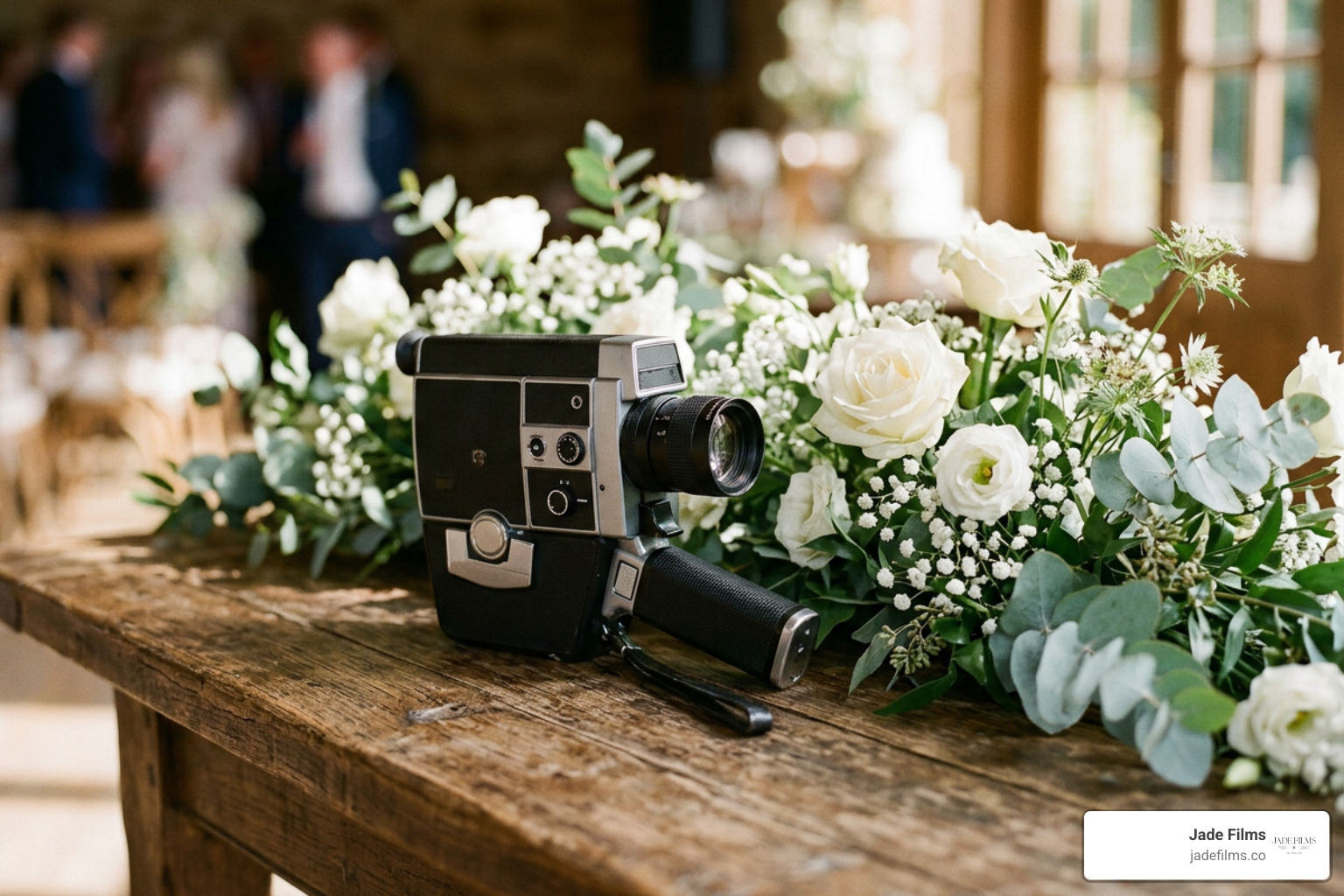
A Super 8 wedding video is a short, cinematic film created using real analog motion picture film rather than a digital sensor. When a videographer presses the trigger on a Super 8 camera, physical light passes through the lens and strikes a light-sensitive chemical emulsion inside a self-contained plastic cartridge.
Introduced by Eastman Kodak in 1965 as an accessible home-movie format, Super 8 revolutionized amateur filmmaking. Today, it has experienced a massive artistic renaissance in modern wedding cinematography because of its unmistakable physical character. Unlike digital video cameras that capture crisp, high-resolution sensor readouts, Super 8 produces an organic, tactile aesthetic that digital color-grading profiles and vintage phone apps simply cannot replicate.
When you watch a finished Super 8 wedding highlight film, you will immediately notice several signature visual traits:
- Warm, Golden Color Chemistry: True film stock handles highlights and skin tones with soft, natural warmth and gentle roll-off into shadows.
- Organic Film Grain: Physical silver halide crystals create a subtle, dancing texture across every frame, giving the footage depth and life.
- Soft Optical Focus: Classic vintage prime lenses render scenes with a dreamy softness around the edges while keeping your central emotion intimate and clear.
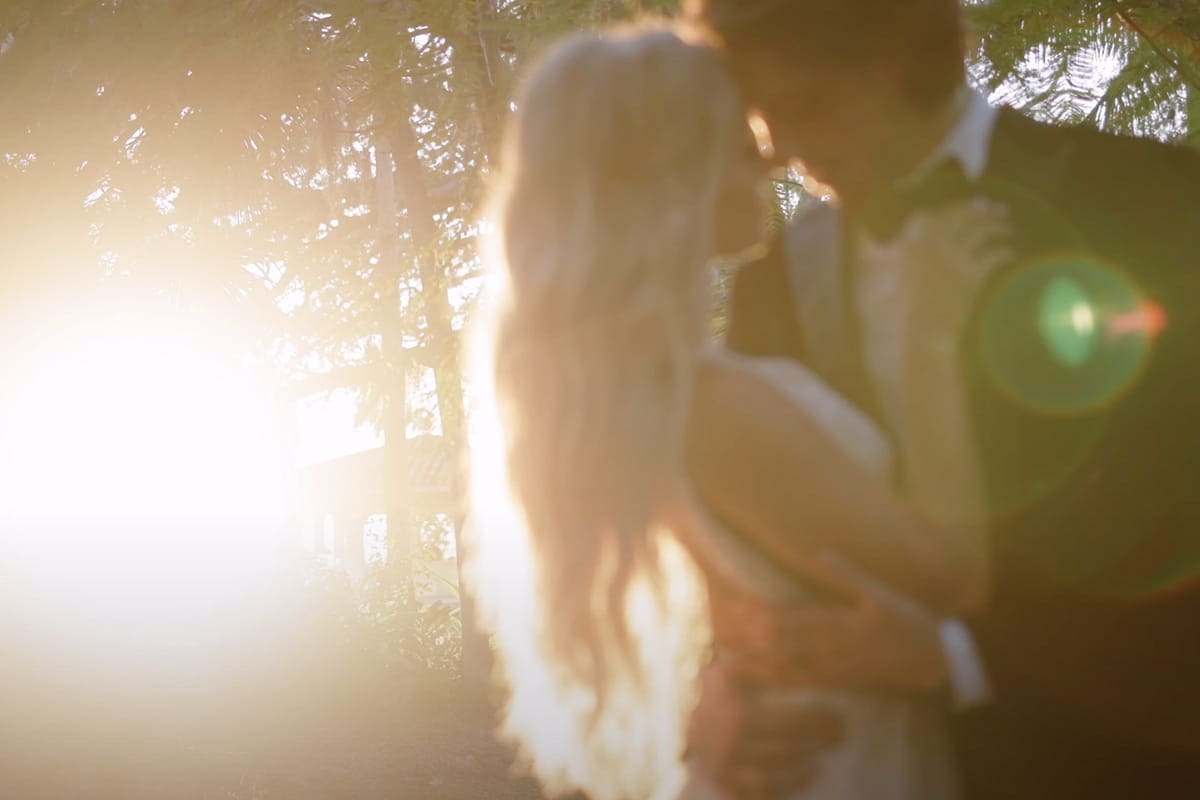
- Authentic Light Leaks and Flairs: When a roll begins, ends, or catches direct sun angles, bursts of warm amber and magenta light naturally bleed into the frame—spontaneous “happy accidents” that add romantic energy.
- 18 Frames Per Second (fps) Motion: While standard modern digital video records at 24, 30, or 60 frames per second, Super 8 cameras traditionally run at 18 fps. This lower frame cadence produces a slightly rhythmic, dreamlike motion that immediately feels like a nostalgic memory.
Super 8 is inherently a silent medium. While sound-recording film cartridges existed briefly decades ago, modern film stocks are strictly visual. Your finished Super 8 wedding video is set to a carefully licensed musical soundtrack that matches the rhythm and emotion of your day.
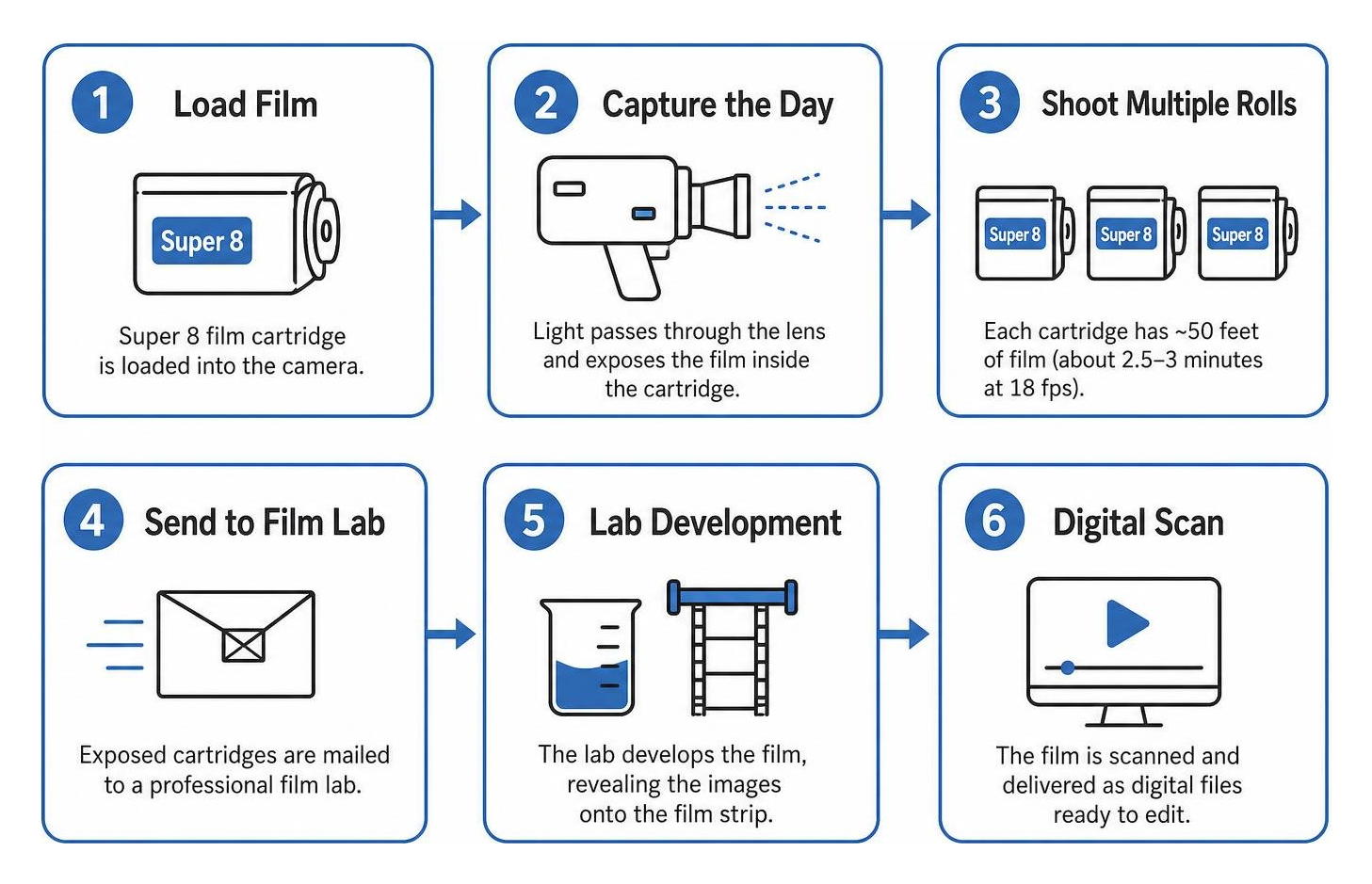
Because each individual film cartridge contains approximately 50 feet of stock—yielding roughly 2.5 to 3 minutes of runtime at 18 fps—videographers shoot with deliberate intention. A full wedding day is typically captured across 3 to 5 rolls (yielding 9 to 15 minutes of raw footage), which we edit into a vibrant, emotional 3 to 10 minute highlight film.
How Much Does Super 8 Wedding Videography Cost and What Affects the Price?
As of 2026, adding professional Super 8 coverage to a wedding package typically costs between $800 and $2,500.
Unlike digital filming where hard drives can record indefinitely at near-zero incremental material cost, shooting real motion picture film carries hard operational expenses for every single minute captured. When we budget for Super 8 production, the total price reflects four distinct stages:
- Raw Film Cartridges: Fresh, professionally stored motion picture film cartridges (most commonly Kodak Vision3 stocks) cost approximately $50 to $80 per roll before any processing occurs.
- Specialized Lab Chemical Processing: Film cannot be developed at standard commercial photo kiosks. It must be shipped to a specialized professional motion picture lab where technicians mix precise chemical baths (such as ECN-2 chemistry) in complete darkness.
- High-Resolution Telecine Digital Scanning: Once developed, the physical film negatives are mounted onto high-end optical film scanners (such as a Lasergraphics ScanStation) to be digitized frame by frame into ultra-sharp 2K or 4K digital video files.
- Artistic Color Grading and Post-Production: The digitized film scans are imported into an editing suite, where we stabilize frames, balance color tones, and sync the footage to a custom soundtrack.
Because film requires specialized handling, laboratory transit, and chemical processing, the standard delivery window for a Super 8 wedding film is 6 to 12 weeks from your wedding date.
When reviewing overall wedding video packages explained, budgeting for physical film stock requires strategic scheduling. Structuring a clear wedding planning timeline ensures your videographer shoots during peak natural light windows, maximizing every foot of film without wasting rolls on dimly lit transitions.
| Package Tier | Typical Rolls Used | Raw Footage Captured | Final Highlight Length | Average Cost Range |
|---|---|---|---|---|
| Basic Add-On | 1–2 rolls | ~3–6 minutes | 3–5 minutes | $800–$1,200 |
| Standard Add-On | 3–4 rolls | ~9–12 minutes | 5–8 minutes | $1,200–$1,800 |
| Premium Hybrid Coverage | 5+ rolls | ~15–18+ minutes | 7–10+ minutes (plus digital integration) | $1,800–$2,500+ |
| Standalone Film Only (Not Recommended) | 2–4 rolls | ~6–12 minutes | 3–6 minutes | $600–$1,500 |
What Are the Standard Super 8 Package Tiers?
To help you understand which tier matches your wedding vision, let’s look at how videographers structure Super 8 offerings:
- Basic Add-On Package ($800–$1,200): This entry tier typically includes 1 to 2 rolls of film. It is designed to capture specific highlight moments—such as your couple portrait session, golden hour walk, or grand exit. The result is a concise 3 to 5 minute stylized teaser.
- Standard Add-On Package ($1,200–$1,800): The sweet spot for most couples. Utilizing 3 to 4 rolls, your videographer can document key chapters throughout the entire celebration: morning preparations, ceremony entrances, newlywed portraits, cocktail mingling, and outdoor reception energy. This yields a rich 5 to 8 minute standalone film.
- Premium Hybrid Package ($1,800–$2,500+): With 5 or more rolls of film stock, this tier provides comprehensive analog coverage. It includes custom color grading, extended scanning resolutions, and often blends seamless film cutaways directly into your primary digital wedding documentary.
While standalone Super 8 packages exist ($600–$1,500), we strongly advise against choosing film as your sole wedding media format. Because film cannot record continuous ceremony audio or perform well in dark reception halls, it works best as a creative enhancement to primary digital coverage.
When Is a Super 8 Wedding Film Worth the Investment?
A Super 8 wedding film is worth the investment for couples who value artistic emotion, tactile nostalgia, and timeless storytelling over clinical digital perfection.
Digital 4K cameras excel at documenting every crisp detail—the exact lace on a dress, the pristine decor, and pin-sharp audio. However, Super 8 evokes how your wedding day felt. There is an intrinsic emotional weight to watching your partner laugh through an authentic haze of film grain and warm sunlight. It feels less like an ultra-glossy commercial and more like an intimate heirloom passed down through generations.
Super 8 is particularly worth the investment in these scenarios:
- Outdoor and Open-Air Venues: Garden celebrations, ranch weddings, vineyard ceremonies, and mountain backdrops provide abundant natural sunlight where film stocks produce their richest colors.
- Scenic Elopements and Intimate Weddings: When a wedding timeline is relaxed, a videographer can dedicate focused artistic time to crafting thoughtful, magazine-quality film scenes.
- Couples Who Cherish Vintage Design: If your aesthetic leans into retro details, antique bridal styling, or classic tailoring, analog film acts as the ultimate artistic extension of your decor.
- Blending with Modern Visuals: Pairing Super 8 with digital footage provides the perfect balance. Exploring dynamic creative wedding video ideas often involves intercutting punchy film moments into a modern, emotionally driven digital narrative.
The key to maximizing your investment is treating Super 8 as a creative companion. While digital coverage records meaningful wedding vows on film and handles capturing wedding toasts on film with multi-microphone clarity, the Super 8 camera captures spontaneous guest reactions, stolen glances, and wind-blown portraits. As noted in this external guide to Super 8 videography, treating film as an intentional layer of artistry ensures you enjoy the best of both worlds.
What Are the Honest Pros and Cons of Choosing Super 8?
To help you decide if Super 8 fits your priorities and budget, consider these advantages and limitations:
The Pros:
- Authentic, Unmatched Aesthetic: True optical grain, soft focus, and color chemistry that digital filters cannot accurately duplicate.
- Timeless Heirloom Quality: Motion picture film looks just as stylish fifty years from now as it does today because it does not follow short-lived digital editing fads.
- Intentional Filming Style: Because roll capacity is limited, your filmmaker waits for the absolute best, most candid, connection-driven moments before rolling.
- High Rewatchability: Couples often find themselves rewatching their 5-minute Super 8 highlight reel on anniversaries more frequently than longer documentary edits.
The Cons:
- No Native Audio: Super 8 cameras do not record spoken sound, meaning your ceremony vows, readings, and reception toasts must be captured on digital equipment.
- Poor Low-Light Capability: Film struggles in dark ballrooms or dimly lit night receptions without strong continuous video lighting.
- Short Roll Runtime: Each cartridge lasts only ~3 minutes, meaning a videographer cannot record entire 30-minute ceremonies uninterrupted on film.
- Extended Post-Production Timeline: Shipping physical rolls to specialized film labs means turnaround times range from 6 to 12 weeks.
- Additional Financial Investment: Adding film rolls, lab chemistry, and scanning fees introduces extra costs on top of standard digital videography.
How Do You Choose the Right Super 8 Wedding Videographer?
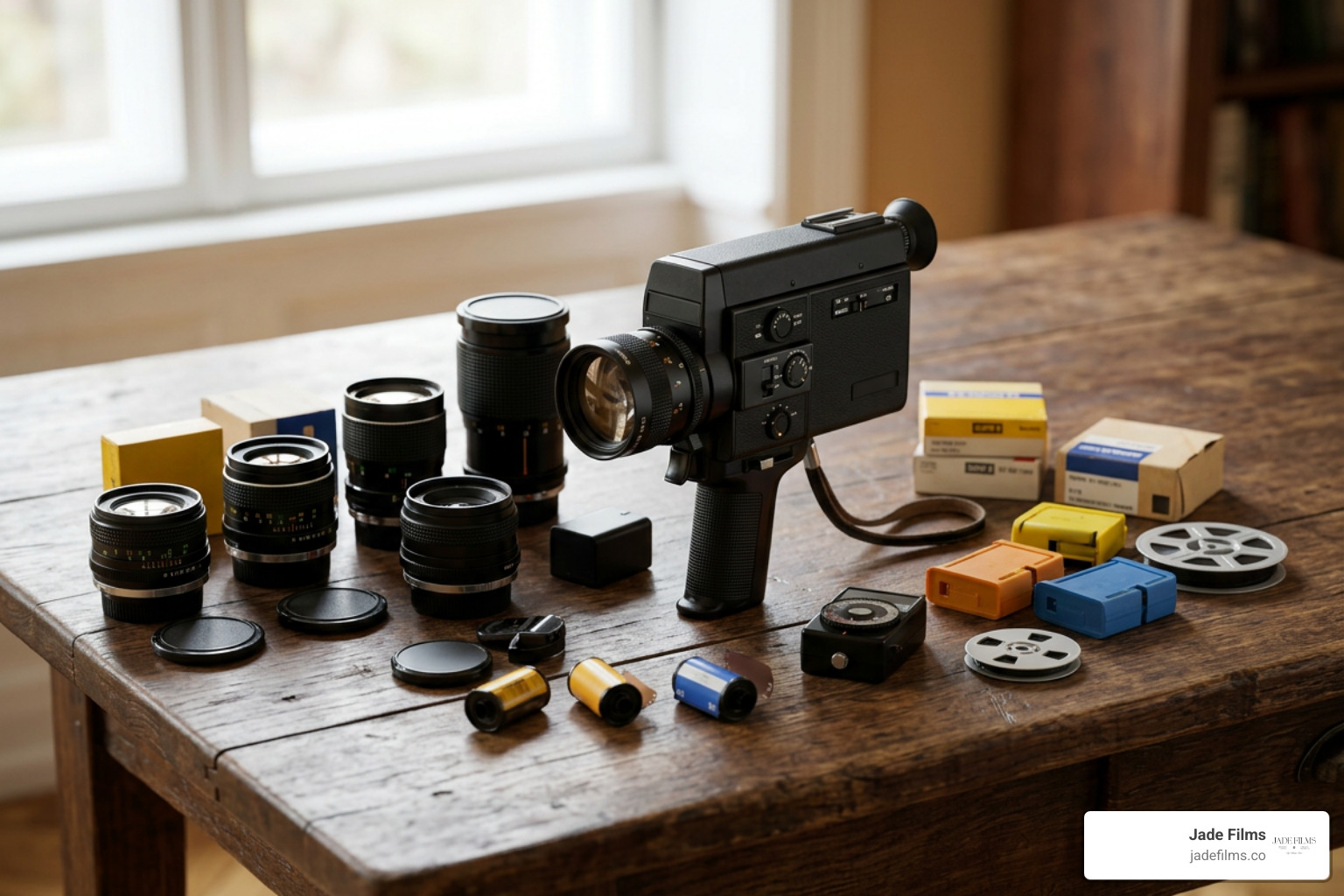
Shooting motion picture film is a delicate technical craft. Unlike digital cameras, which offer instant LCD screen previews and exposure meters, vintage film cameras require manual light metering, precise focal estimation, and deep mechanical familiarity.
When searching for the right filmmaker, pay close attention to the vintage equipment and film stocks they utilize. Established Super 8 videographers frequently use iconic, high-end cameras manufactured in the 1970s and 1980s, including:
- Canon 1014 XL-S / 814 XL-S: Renowned for exceptionally sharp lenses, wide apertures for low-light management, and rock-solid internal transport mechanisms.
- Beaulieu 4008 ZM II: A legendary French-engineered camera featuring interchangeable lenses, ultra-precise manual controls, and smooth shutter speeds.
- Nizo 6080 / 801: German-engineered cameras known for whisper-quiet motors, sharp Schneider-Kreuznach optics, and dependable interval meters.
In addition to reliable hardware, experienced filmmakers select specific Kodak Vision3 motion picture film stocks depending on your venue’s lighting:
- Kodak Vision3 50D (Daylight): Ultra-fine grain, razor-sharp resolution, and vivid colors perfect for bright, sun-drenched outdoor ceremonies.
- Kodak Vision3 200T / 500T (Tungsten): Higher light sensitivity balanced for golden hour, shaded woods, indoor spaces, or evening golden light.
To understand how film resolution compares to modern 4K digital files, explore our definition videography wedding guide for insight into optical versus digital imaging standards.
Essential Questions to Ask Before Booking
When interviewing prospective videographers, ask these crucial questions:
- “Can I see 2–3 full Super 8 wedding films from your portfolio?” Look for consistent focus, smooth camera movement, pleasing color balance, and natural compositions.
- “Do you shoot real film stock or use digital emulation filters?” Ensure they are loading physical Kodak cartridges into a real analog camera body.
- “What professional lab do you partner with for development and scanning?” Experienced shooters work directly with established labs that scan at 2K or 4K resolution on machines like the Lasergraphics ScanStation.
- “What is your backup plan if a vintage camera malfunctions?” Vintage cameras have mechanical gears. A professional always brings a backup film body and maintains primary digital cameras alongside film rolls.
- “How do you plan to handle our reception lighting?” Verify whether they plan to transition to digital low-light cameras for the dance floor or set up continuous vintage tungsten light panels.
At Jade Films, we provide Dallas–Fort Worth couples with an unscripted, connection-driven approach. By pairing our incognito digital cinematography with authentic Super 8 film rolls, we document both the crisp reality of your spoken promises and the warm, dreamlike nostalgia of your wedding day.
What Are the Most Common Questions About Super 8 Wedding Videos?
Can Super 8 film capture clear footage in dark reception venues?
Super 8 film has physical limitations in extreme low-light environments. Because the film gauge is small (8mm wide) and physical film emulsions have fixed ISO ratings (typically topping out around ISO 500), shooting in a dark, candlelit ballroom without supplemental light results in muddy, severely underexposed, or completely black frames.
To achieve clean, vibrant reception footage on Super 8, your videographer must use continuous ambient lighting or portable vintage video lights. For completely dark dance floors, the best approach is allowing your videographer’s digital low-light cameras to take over while saving your film rolls for daylight and twilight moments.
Does a Super 8 wedding video include sound and vows?
No. Modern Super 8 cartridges record strictly silent visuals. The magnetic sound-strip film cartridges produced in the late 1970s were discontinued decades ago due to chemical instability and poor fidelity.
Today, every Super 8 wedding film is edited as a visual montage set to a licensed, atmospheric music track. If capturing your ceremony vows, emotional toasts, and parent speeches with crystal clarity is a priority, your videographer will record high-fidelity digital audio backups on dedicated microphones while filming visual moments on analog stock.
Should Super 8 replace our digital wedding videographer?
We do not recommend replacing your digital wedding videographer with a film-only package. Because each Super 8 roll runs for approximately 3 minutes, a videographer cannot continuously capture an entire 30-minute ceremony, a full first dance, or lengthy reception speeches without stopping to reload cartridges.
Instead, Super 8 works best as an add-on or hybrid component. By allowing digital cameras to document your full vows, toasts, and documentary timeline, Super 8 is freed up to do what it does best: capture artistic, spontaneous, and timeless emotional highlights.
How Can You Incorporate Super 8 Film Into Your Wedding Day?
Incorporating Super 8 film into your wedding day brings a tangible, timeless soul to your visual memories. The physical chemistry of motion picture film—its warm golden hues, spontaneous light leaks, and rhythmic 18 fps motion—transforms fleeting moments into lasting heirlooms.
To get the absolute most out of your Super 8 coverage:
- Prioritize Natural Daylight: Schedule 20 to 30 minutes of uninterrupted portrait time during golden hour when the low sun creates breathtaking flares on film.
- Coordinate Key Action Moments: Film shines during movement. Plan dynamic activities like a champagne pop, a vintage getaway car departure, or an outdoor confetti exit.
- Trust the Connection-Based Process: The beauty of film comes from authenticity. Relax, focus on each other, and let your filmmaker capture spontaneous laughter rather than stiff, posed setups.
If you are planning your celebration and want a wedding film that feels personal, unscripted, and rich with nostalgia, we would love to connect. Reach out to Jade Films to discuss our hybrid digital and authentic Super 8 wedding packages.
