What Is Videography? A Wedding-Focused Guide
Your wedding day moves fast. Voices shake during vows. Laughter fills the room during toasts. Music swells as people step onto the dance floor. Photos freeze moments like these. Video lets them play again.
Many couples start wedding planning with a simple question: What is videography, and do we really need it? This guide explains the definition of videography, how wedding videography works, and what couples actually receive after the wedding. The goal is clarity, not pressure, so you can decide what fits your day.
Definition of Videography
Videography is the process or art of recording moving images using a video camera. In simple terms, videography means capturing motion, sound, and time in a visual format.
In a wedding setting, videography becomes wedding videography, which focuses on recording a wedding day and shaping that footage into one or more finished films. These films preserve moments as they happened, with sound, movement, and emotion intact.
Videography vs Wedding Video
These terms often get mixed up, but they describe different things.
- Videography is the work. It includes filming, audio capture, and editing.
- Wedding video is the result. It is the finished film or films a couple receives.
When couples compare packages or prices, this difference matters. One videographer may offer simple coverage with minimal editing. Another may include deeper storytelling, sound design, and longer edits. Both are videography, but the wedding videos they deliver can feel very different.
Does Videography Include Editing?
In most professional wedding services, yes. Videography usually includes editing as a core part of the process.
Editing turns raw footage into a watchable film. It involves selecting moments, arranging them in a clear flow, cleaning up audio, adding music, adjusting color, and shaping pacing. Without editing, videography would feel more like a home recording than a finished wedding film.
Videography vs Cinematography
Couples often see both terms while researching.
- Videography often focuses on capturing real events as they happen, especially live moments like weddings.
- Cinematography often describes a film-style approach with heavier creative direction and visual control.
In weddings, the difference is not strict. Many wedding videographers use cinematic tools while still working in a live, unscripted environment. The label matters less than the films themselves. Watching full examples shows you more than any title on a website.
Photo vs Video: What Each One Saves From Your Day
Photography captures still moments. Video captures moments that move and speak.
Photos show how everything looked. Video shows how everything felt. Video saves your vows, the tone in your voice, and the room reaction during speeches. Video also saves movement, like your first dance, your parent hugs, and the way your guests celebrate.
Many couples start with a simple question: “Do we want proof, or do we want a replay?” Photos give proof. Video gives a replay.
A practical way to decide is to list your top memories. If you care most about portraits, details, and printable images, photography leads. If you care most about hearing the vows again, seeing family members interact, and reliving the energy of the day, videography leads.
Many couples choose both because each one covers a different part of the story.
What Wedding Videography Captures That Photos Cannot
Photos and video work best when they complement each other.
Photos capture expressions, details, and still frames you can print and display. Video captures:
- Vows spoken out loud
- Speeches and reactions
- Laughter and crowd energy
- Movement during dances
- Voices of loved ones
Sound and motion change how memories feel. Hearing a voice years later can bring back emotions that photos alone cannot.
How Storytelling Works in Wedding Films
Wedding videography is not just recording events in order. Storytelling shapes how those moments feel when watched later.
Most wedding films follow a simple arc:
- Beginning: anticipation, getting ready, quiet moments
- Middle: ceremony, commitment, emotion
- End: celebration, release, joy
Audio often drives the story. Vows, letters, or speeches guide the viewer while visuals support the emotion. This approach helps the film feel personal instead of random.
Common Wedding Videography Styles
Couples will see several styles while researching. None are right or wrong. Each fits different preferences.
Documentary Style
This style captures events as they unfold with little direction. Films often follow the timeline closely and focus on authenticity.
Cinematic Style
This style emphasizes mood, music, and pacing. It often feels like a short film built around emotion.
Traditional Style
This approach documents the day in a straightforward way with minimal creative editing.
Storytelling Style
This style uses vows, speeches, and moments to tell a clear emotional story. Events may not appear in exact order.
Vintage or Retro Add-Ons
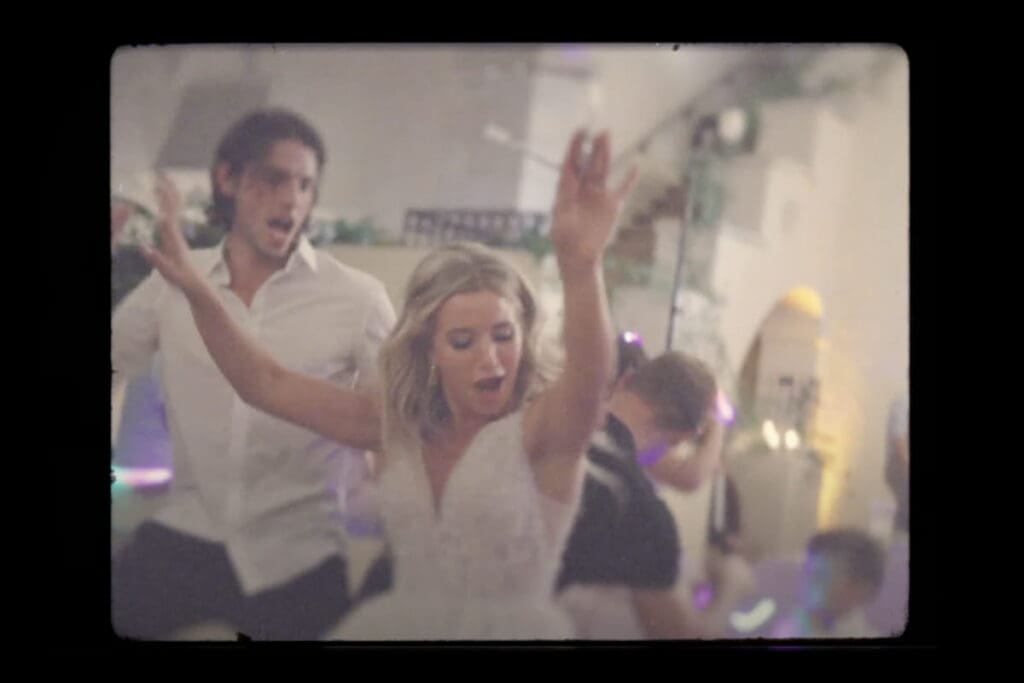
Some videographers use older cameras or film formats for a nostalgic look, often mixed with modern footage.
What Couples Receive After the Wedding
Deliverables vary, but most couples receive a combination of the following:
- A short highlight film
- A full ceremony edit
- Speeches or reception moments
- A longer feature film option
- Digital delivery for sharing and storage
Asking what films you receive, how long they are, and how they are delivered helps avoid confusion later.
What a Wedding Videographer Does on the Wedding Day
On the wedding day, videographers manage more than just a camera. They capture audio, adjust to lighting changes, work around tight timelines, and coordinate with photographers and planners.
Good videography feels calm and unobtrusive. Direction should feel natural, not forced, so couples can stay present with their guests.
How to Choose a Wedding Videographer
When comparing options, focus on clarity:
- Watch full films, not only highlights
- Listen for clean, clear audio
- Check how they handle low light and motion
- Ask who edits the film
- Confirm how many weddings they film per date
Comfort matters. The person filming should feel like a steady presence, not a distraction.
Frequently Asked Questions
What is the definition of videography?
Videography is the process of recording moving images using video cameras.
Does videography include editing?
Most professional wedding videography includes editing as part of the service.
What is cinematography vs videography?
Videography focuses on capturing live events. Cinematography often refers to a more film-style approach. In weddings, the difference depends on the person, not the label.
What do couples receive after wedding videography?
Most couples receive a highlight film, ceremony footage, and additional edits depending on the package.
A Simple Way to Decide
Videography preserves motion, sound, and story. Years later, voices change and faces age, but video keeps moments intact.
If you are early in planning, start with what you value remembering most. That answer usually makes the decision clearer than any price list.
If you want to see how wedding videography feels in real life, watching full wedding films is the best place to start.
